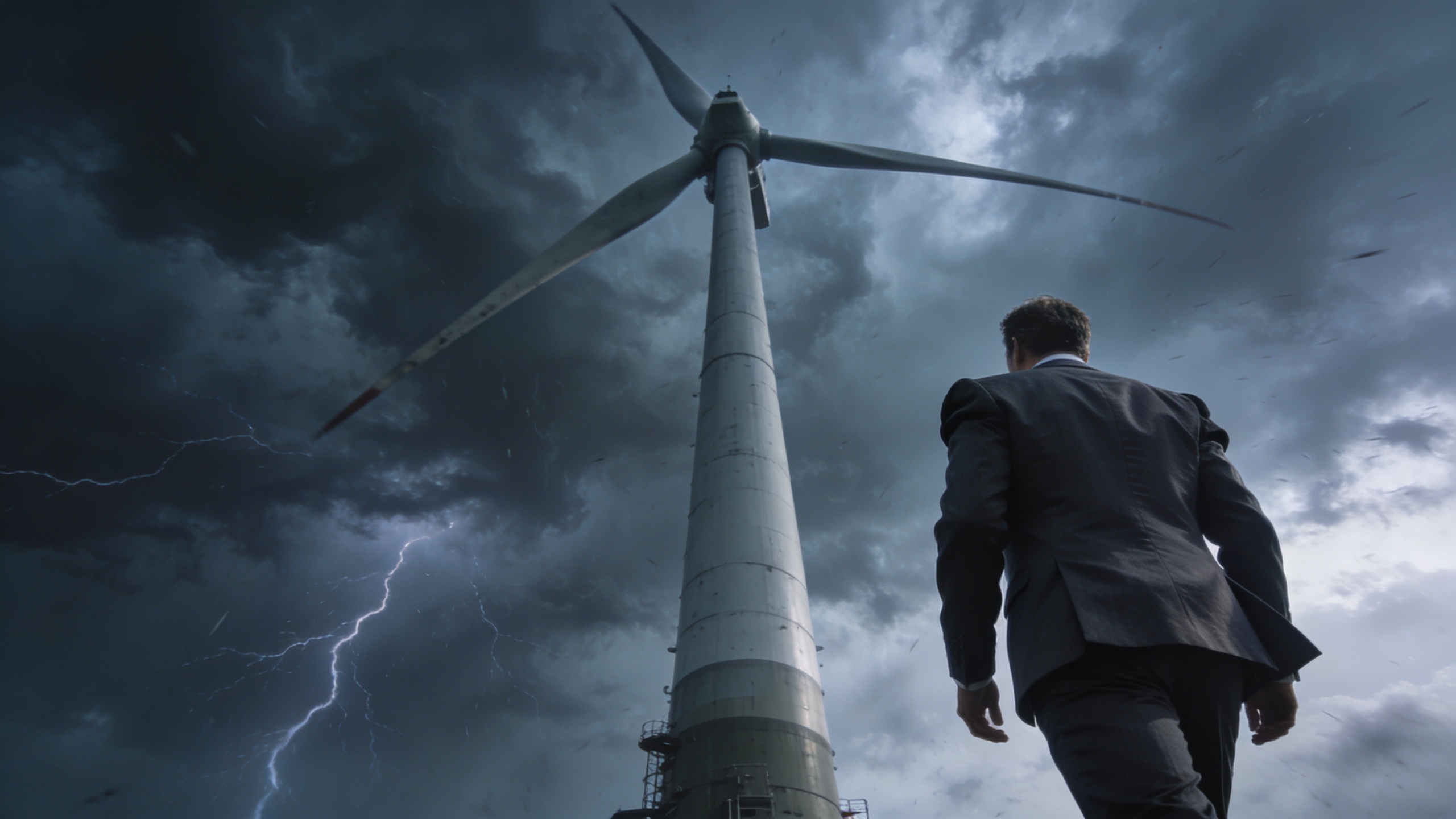
Mitsubishi Corporation Exits Offshore Wind: What Happened?
As reported by the Hokkaido Shimbun, Mitsubishi Corporation has decided to withdraw from offshore wind power generation. The government is now forced to reconsider its strategy, and projects in Hokkaido may face delays.
When you hear “a major trading company exits,” it might feel distant for small and medium-sized business owners. However, this news is packed with the essence of “reversible management.”
Why was Mitsubishi Corporation able to exit? And why did it have to? These two questions hold valuable lessons for your company’s large-scale investments and new ventures.
An Organizational Culture That Doesn’t See Exit as “Defeat”
What’s noteworthy about Mitsubishi Corporation’s exit decision is that it doesn’t frame “exit = failure” negatively. Rather, because exit was always kept as an option, they could pull out before incurring massive losses.
A common psychological bias among SME owners is, “We’ve already invested this much.” Bound by sunk costs, many miss the window to exit, ultimately plunging the entire company into crisis.
It’s reasonable to assume that Mitsubishi Corporation set clear “exit conditions” at the project’s outset. In other words, they established a rule in advance: “We’ll proceed this far, but if these conditions aren’t met, we exit.”
This rule enabled a calm, rational decision.
The “Pre-Exit Design” SMEs Should Copy
Even if you’re not a giant like Mitsubishi Corporation, pre-exit design is possible. In fact, SMEs with limited capital should implement this design thoroughly.
Specifically, decide on the following three things before starting a new business or making a large investment:
Clarify the Exit Trigger
Set criteria based on numbers, such as “Exit if sales fall below 70% of the plan” or “Exit if profitability isn’t in sight by year X.” This is a mechanism to decide on exit based on facts, not emotions.
Estimate Exit Costs in Advance
Exits always come with costs: contract penalties, personnel severance, equipment disposal fees, etc. Estimating these upfront gives you the peace of mind that “even if we exit, the company won’t go under.”
Decide Where Resources Will Go After Exit
Exit isn’t an “end”—it’s a “reallocation of resources.” Where will the freed-up personnel and funds be directed? Having this plan makes the exit decision smoother.
“Reversible Decisions” Make Your Company Stronger
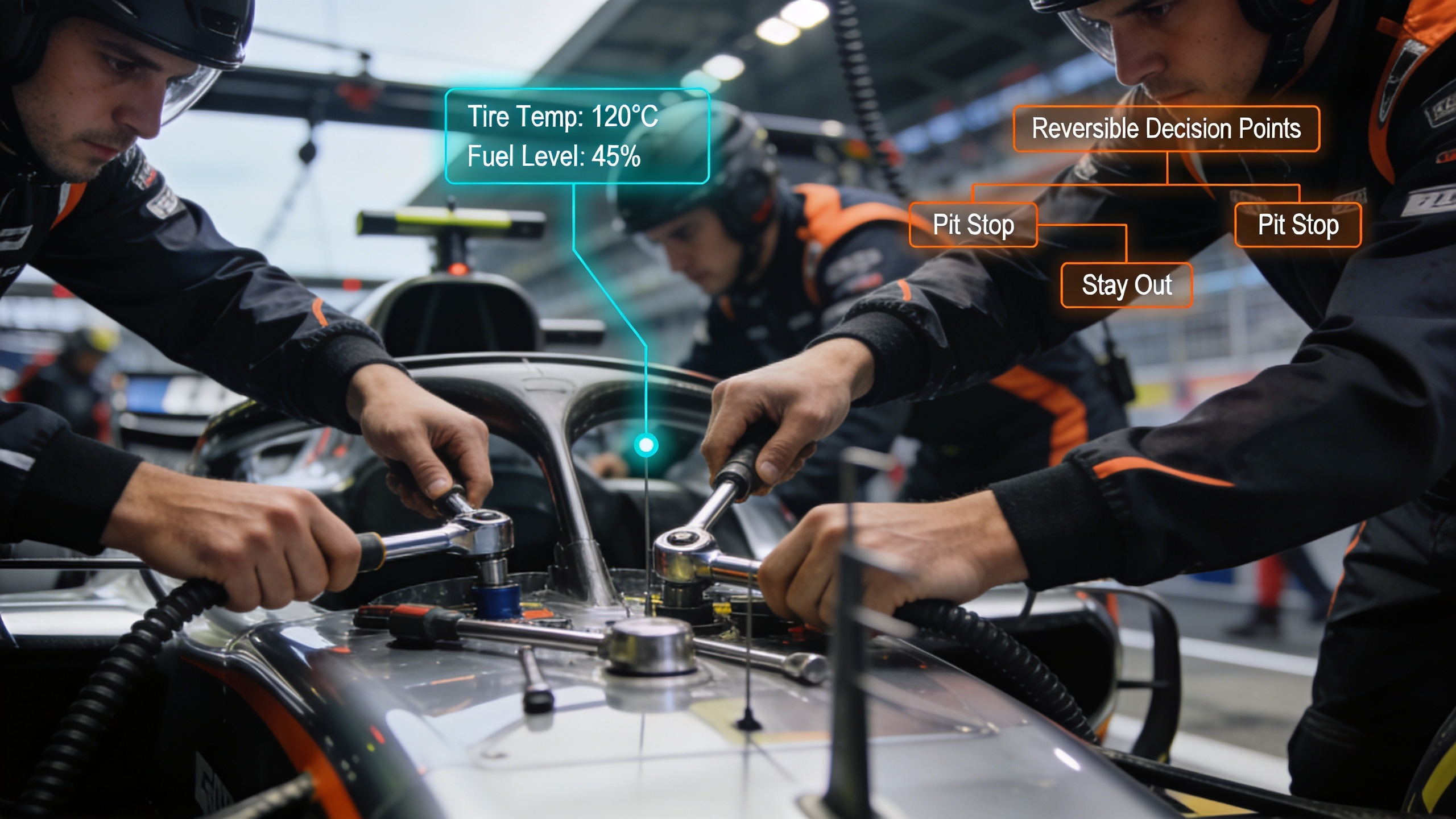
The reason I advocate for “reversible management” is that increasing the reversibility of business decisions lowers the barrier to taking risks.
Without the reassurance that “even if we fail, we can come back,” SMEs can’t take on new challenges. Conversely, if you build a system for reversibility, you can boldly pursue large investments and new ventures.
Mitsubishi Corporation’s offshore wind exit can be viewed through the same logic. Because they had an exit mechanism, they could commit to massive investments. And they could make the exit decision swiftly.
This is a prime example of “management that tolerates failure.”
What You Lose and Gain from an Exit Decision
What business owners fear most about an exit decision is likely “loss of credibility.” Will suppliers and financial institutions think less of us? Will employee morale drop?
But reality is the opposite. Continuing a failing business and dragging the entire company into crisis is far more damaging to credibility. Business owners who can make an exit decision are actually seen as “leaders capable of冷静な判断ができる経営者” (calm, rational judgment).
In one consulting case, a manufacturing company president decided to exit a new business. Afterward, a banker told him, “I’m impressed you pulled the trigger,” and his loan terms actually improved. This is a case where an exit decision enhanced trust in the leader.
Summary: Exit Is Preparation for the “Next Move”
Mitsubishi Corporation’s offshore wind exit is by no means a “failure.” Rather, it’s an excellent example of ensuring reversibility in a massive investment.
What I want to convey to SME owners is this: stop viewing exit as “defeat.” Exit is a “strategic decision to concentrate resources on the next battle.”
In your company, have you set “exit triggers” for the projects or investments you’re currently pursuing? If not, I recommend starting to design them today.
Reversible decisions make your company stronger. Take that first step today.
Comments