What the Launch of the “Hokkaido Centrist Reform Forum” Reveals
In 2024, news broke that a new political group, the “Hokkaido Centrist Reform Forum,” would be launched on the 30th. At first glance, this might seem like a minor event in local politics. However, from a management consultant’s perspective, it is packed with insights for understanding the essence of “returnable management.”
Unlike corporate divisions or project teams, political groups face relatively looser legal constraints and less pressure to survive. This allows for experimental organizational designs, offering valuable lessons for SME owners.
This article uses this news as a springboard to explore the importance of not “fixing” an organization and specific methods for designing organizations with reversibility.
Why Organizations Should Start as “Temporary Placeholders”
Many SME owners, when launching new ventures or projects, tend to immediately establish formal departments or companies. However, this “instant fixation” is a classic example of an irreversible decision.
Notably, the “Hokkaido Centrist Reform Forum” uses the word “Forum” in its name. A forum refers to a temporary gathering or meeting for a specific purpose. In other words, this group started with a temporary framework: “first, create a place for people to gather and discuss.”
The same applies to management. When starting a new business, instead of immediately incorporating “○○ Co., Ltd.,” begin with a temporary organization like a “project team” or “study group.” This makes it easier to dissolve or withdraw if the direction proves wrong.
In my past client work, almost all cases where a new company was established from the start with large-scale investments made withdrawal extremely difficult. Conversely, cases that began as informal internal organizations and only incorporated after showing results saw smoother exit decisions.
The Reversibility Inherent in the Name “Forum”
The term “forum” carries a nuance of allowing free entry and exit for participants. Unlike membership-based organizations, a forum is “a place where interested people gather,” with low pressure to participate or continue.
This “freedom of entry and exit” is a key element that enhances an organization’s reversibility. In internal projects, by making members “concurrent” rather than dedicated, you leave a path for them to return to their original roles if the project stalls.
Conversely, if you immediately gather dedicated members and give them titles like “Project Leader,” it becomes difficult to return them to their original departments even if the project fails. This is due to the psychological resistance of “having a title stripped away” and concerns about how others perceive them.
Three Lessons from Political Group Organizational Design
From the “Hokkaido Centrist Reform Forum” initiative, here are three points SME owners can apply to their own organizational design.
1. Set the Goal as a “Framework,” Not an “Activity”
Many organizations are launched with activity-based goals like “succeed in the ○○ business.” However, this goal-setting creates a sense that “the business itself has been negated” upon failure, making withdrawal psychologically difficult.
By setting the goal as the framework itself—like a political group aiming to “create a space for discussing centrist politics in Hokkaido”—it becomes easier to decide to “close the framework” if discussions don’t gain traction. In business, this corresponds to a framework like “a team to explore the potential of a new business.”
2. Set an “Expiration Date” for the Organization from the Start
Political groups don’t have the assumption of perpetual existence like companies. They often operate with a deadline, such as an election or achieving a specific policy.
In management, organizations should also have an “evaluation period.” By deciding upfront, “We’ll evaluate profitability in six months and decide whether to continue or dissolve,” the decision at that point becomes more objective. Organizations without a deadline tend to persist out of inertia, eventually accumulating significant losses.
3. Make Legal Frameworks a “Last Resort”
Unlike political parties, political groups have lower barriers to establishment and are relatively easier to dissolve. In other words, they start with a “lighter” legal framework.
In business activities, instead of immediately incorporating a stock company or LLC, you should start with a form with weaker legal binding, such as an “internal project” or “voluntary association.” Only after confirming results should you consider formal incorporation or departmentalization. Following this sequence dramatically reduces withdrawal costs.
Blueprint for a “Returnable Organization”
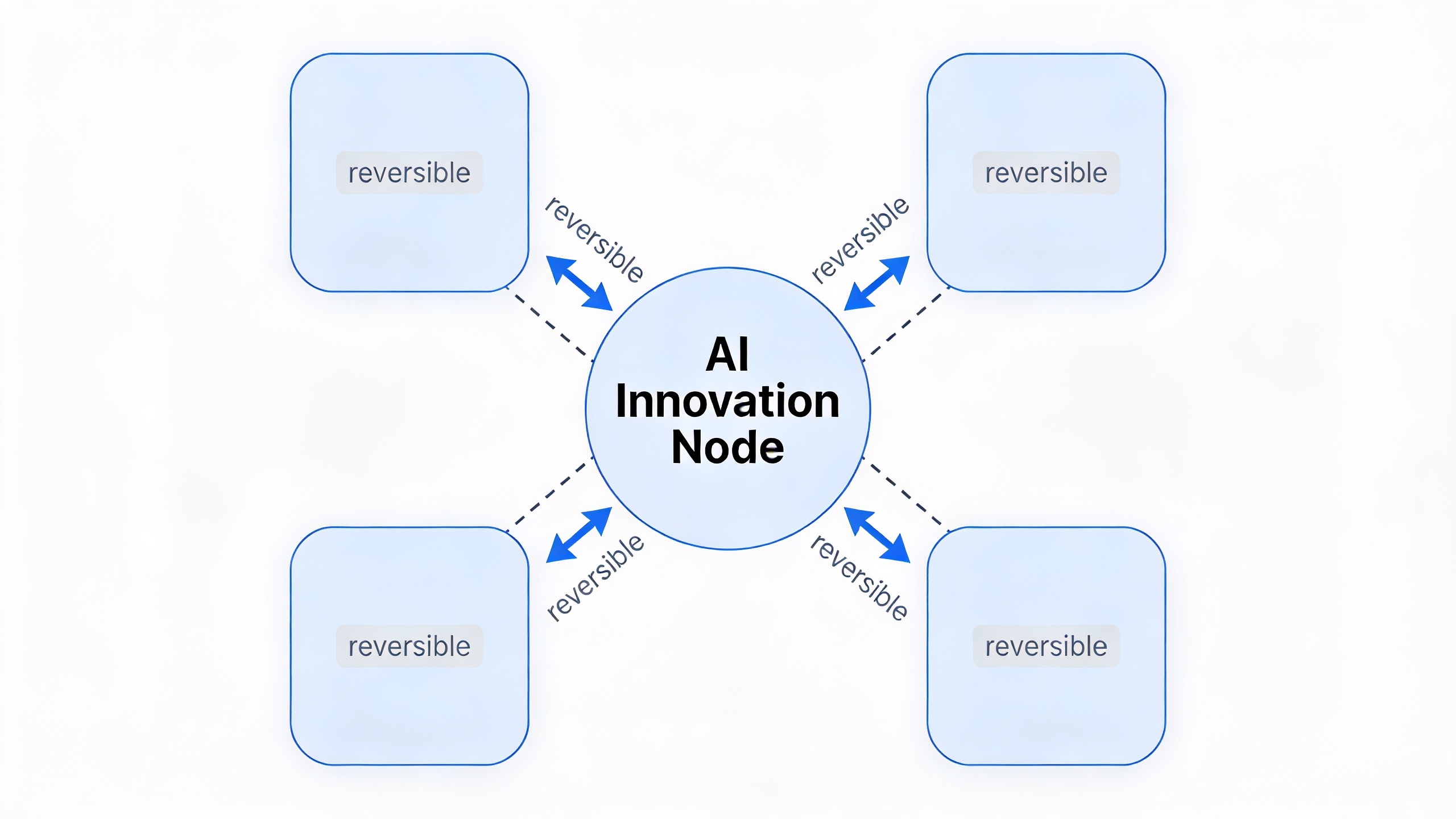
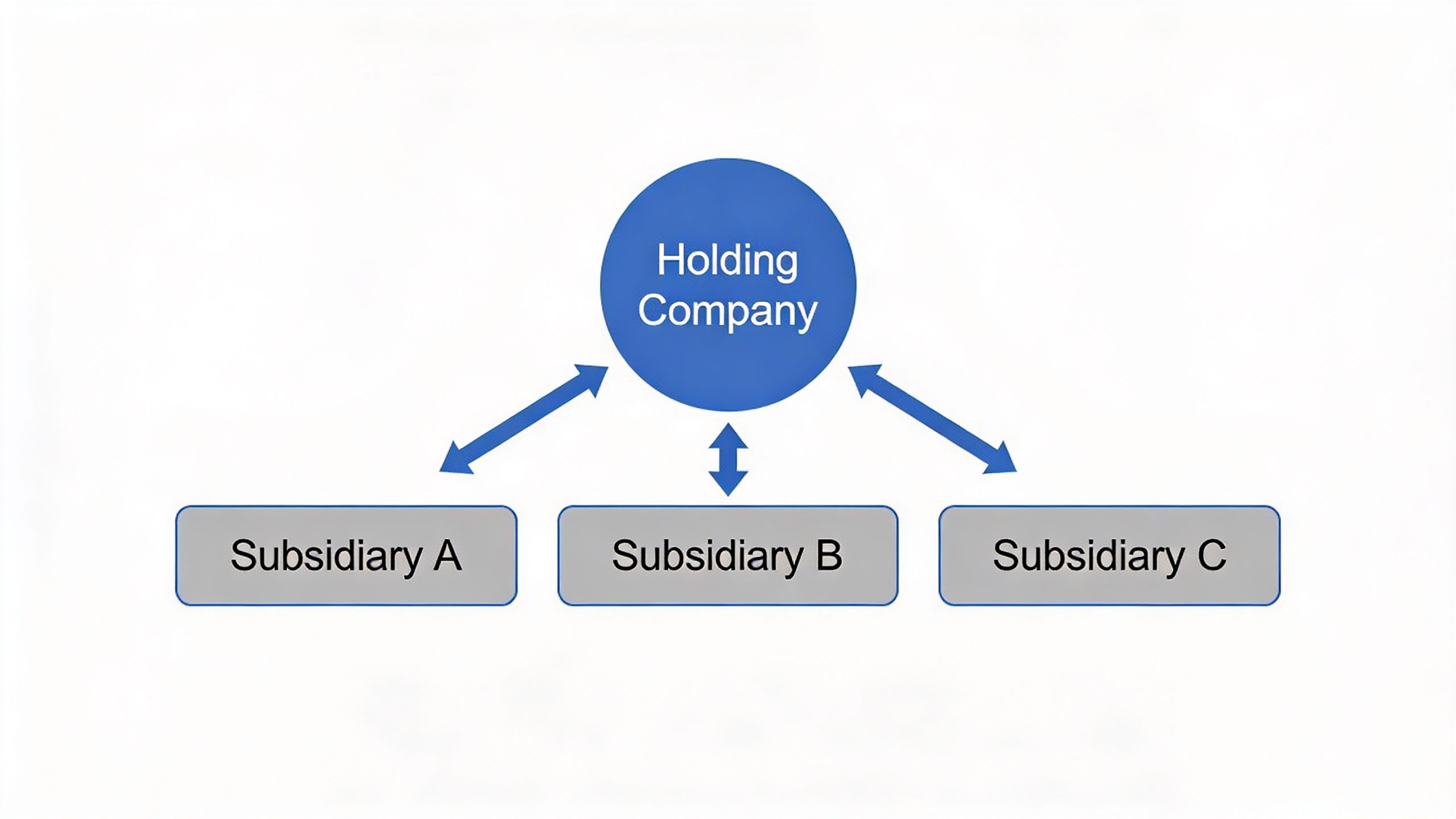
So, what specific organizational design makes it “returnable”? Refer to the checklist below.
Comments