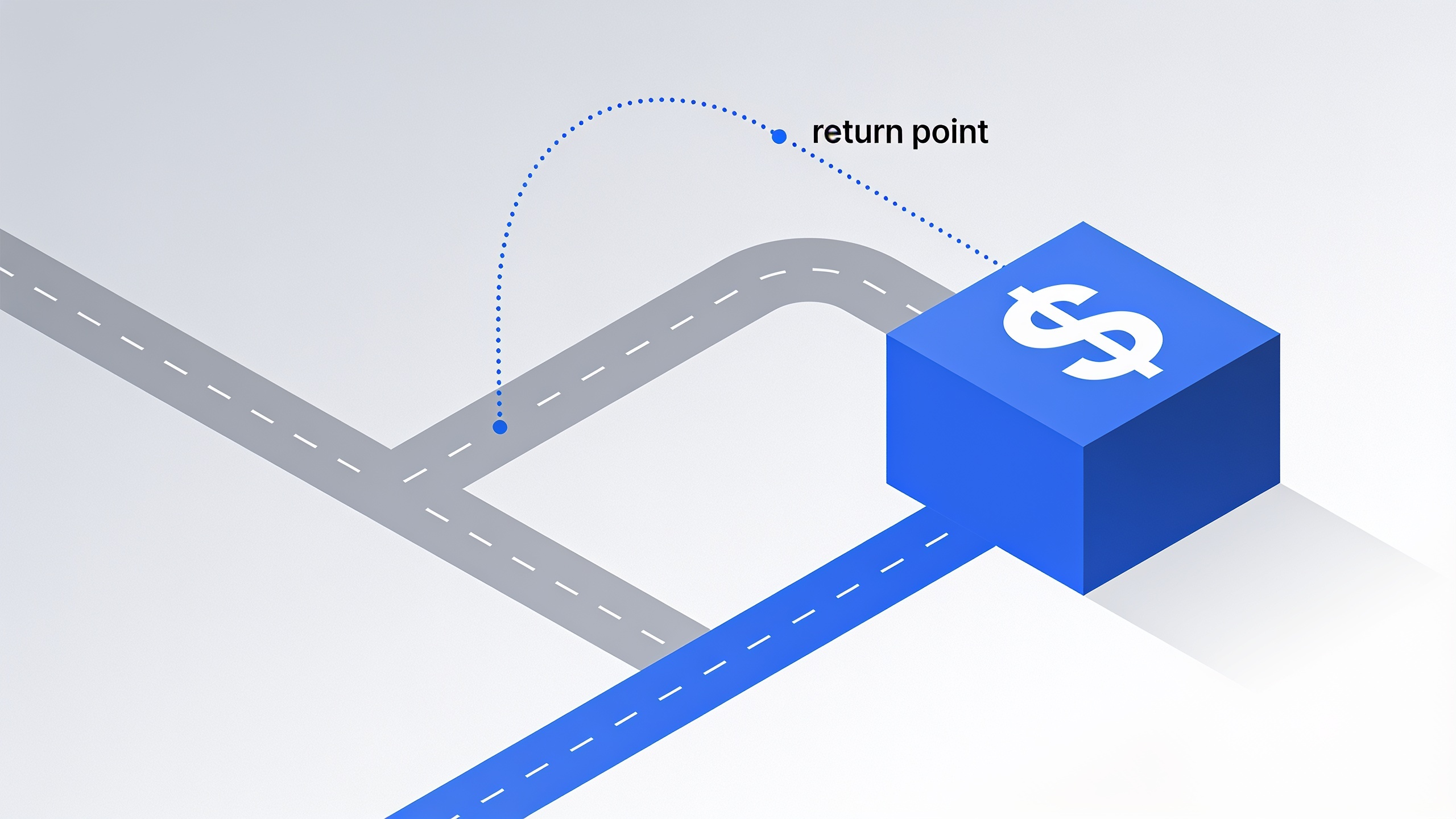
Why Microsoft Is Considering an Xbox Spin-Off
Reports that Microsoft is exploring a spin-off of its Xbox business have sparked discussion. The driving factor is the massive investment in AI. Cumulative investments in OpenAI have exceeded $13 billion, with enormous funds also needed for data center construction and GPU procurement.
This news highlights a reality: even the largest companies can’t move forward while holding everything. Selection and focus aren’t just challenges for small and medium-sized enterprises (SMEs).
Will Xbox Really Be “Cut Off”?
At this stage, it’s still under “consideration,” and whether it will be executed remains unclear. However, the essence of this news lies in the fact that it’s being considered at all.
A company like Microsoft, boasting one of the world’s largest market capitalizations, is seriously discussing the possibility of letting go of Xbox—once the core of its gaming business. This shows that no matter how emotionally attached you are to a business, you must reassess resource allocation.
What Is a Reversible Business Decision?
The key question here is whether a spin-off is a “reversible decision.”
A spin-off isn’t a complete sale; it’s a method of separating a business into an independent company. You can retain some shares, leaving the option for future reintegration.
In other words, it’s a separation in a “returnable form,” not a full retreat.
How SMEs Can Draw a “Return Line”
For SME owners, the Xbox case might seem like a distant world. But the decision-making structure is the same.
When starting a new venture, diversifying, or pruning unprofitable operations, are you drawing a “return line”?
Specifically, it’s crucial to decide three things in advance:
- When to make a decision (set an evaluation period)
- What conditions trigger a retreat (clarify exit criteria)
- How far to pull back after retreating (design the return path)
Without these, your decisions become irreversible.
The AI Investment Dilemma and Lack of Reversibility
The biggest factor behind Microsoft’s spin-off consideration is the rising cost of AI investments. In the AI field, upfront investments swell, but immediate monetization isn’t guaranteed.
This mirrors what SMEs face when investing in new technologies or ventures. Many end up trapped by decisions made because “competitors are doing it” or “it’s a trend.”
Three Traits of Irreversible Investments
In the companies I’ve supported, irreversible investments share common traits:
- The investment is too large, making stopping mid-way result in heavy losses
- Personnel are locked into the investment, preventing reassignment
- Contracts or system constraints make cancellation or withdrawal costly
The third point—contract and system constraints—is often overlooked. I’ve seen many cases where companies sign up for a high-feature SaaS “just to try it,” only to face cancellation fees or massive data migration costs.
Examples of Designing Reversible Investments
So, how can you make reversible investments? Here are concrete design examples.
Set Evaluation Periods
When starting a new venture, decide upfront on a “three-month trial period.” During this time, avoid full-scale staffing or equipment investment; operate with minimal resources.
After three months, evaluate sales, customer feedback, and internal resource consumption to decide whether to continue or retreat. The key is to set evaluation criteria in advance. Relying on “gut feelings” can lead to indefinite delays in retreating.
Don’t Lock in Personnel
When assigning people to a new venture, consider a “dual-role” arrangement. Making someone fully dedicated can impact their career and motivation if you retreat.
With dual roles, they simply return to their original tasks after a retreat. Designing a “returnable form” from the start also lowers psychological barriers.
Start with Minimal Contracts
When introducing tools or systems, begin with the smallest plan. Upgrade to higher-tier plans only after confirming the need.
Also, check cancellation terms beforehand. Always know details like “Is there a minimum contract period?” and “What are the cancellation fees?” before signing up.
“Reversible Management” Boosts Competitiveness
At first glance, reversible decisions might seem “timid.” But the opposite is true.
By designing reversible decisions, business owners gain psychological safety—knowing “it’s okay to fail.” This enables bolder challenges.
Microsoft can consider an Xbox spin-off because it can choose a “returnable form.” By opting for a spin-off rather than a full sale, it leaves the door open for future reintegration.
Don’t Turn Retreat into Defeat
My reason for advocating “reversible management” is to avoid making retreat feel like defeat. Retreat is part of strategy—a preparation for the next move.
The business sale I experienced during the COVID-19 pandemic was a tough decision at the time. But that choice allowed the company to survive and focus on its current operations.
How to Draw a “Return Line” Starting Today
Finally, here are three concrete actions you can take today:
- Set an “evaluation period” for ongoing projects or businesses
- Write down exit criteria and share them with your team
- Identify the “cancellation costs” of contracts and systems
Just implementing these will transform your business decisions into a “returnable form.”
Microsoft’s case shows that even the world’s largest companies value reversible decisions. Precisely because you’re an SME, design reversible management choices. That’s the key to sustainable growth.


Comments